|
Bea Johnson and her family of four produce one quart size jar of waste in a year. Check out her website at zerowastehome.com/ ! 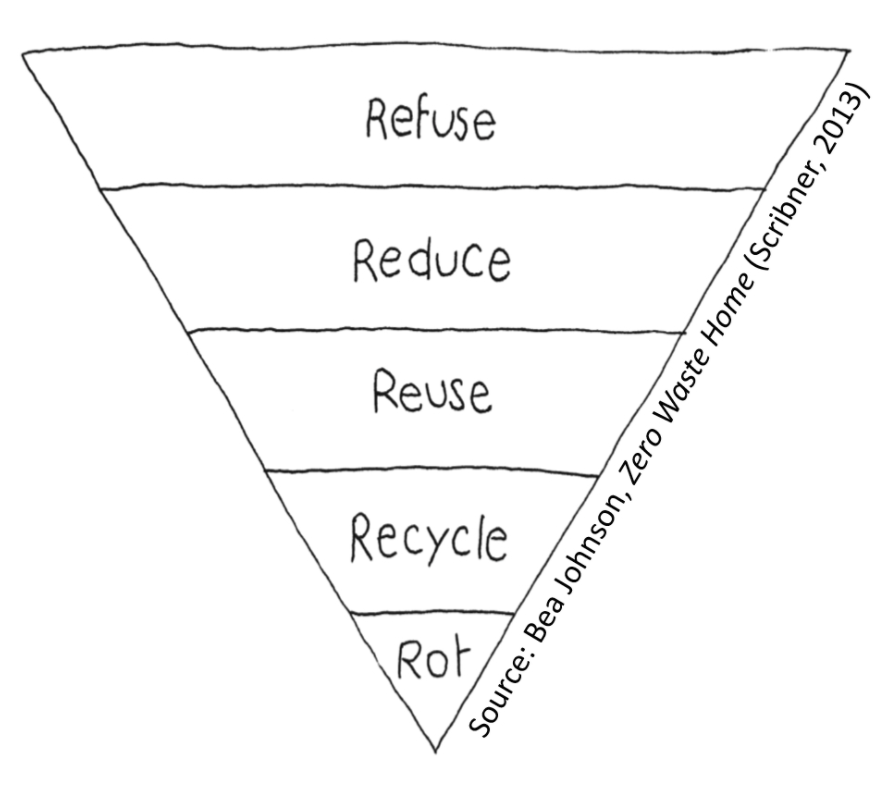
0 Comments
Doug Kohls, one of our Conservation District board members, planted several demonstration cover crop plots on his farm this fall. One month after the planting, District Manager Catherine Johnson interviewed Kohls about the project. Check out the interview below! Dispose of your electronic waste safely and free of charge at Sedgwick County's E-waste Collection Event. The 2020 event is August 13-15 and August 20-22 from 9 am to 2 pm. Individuals and businesses (except those that sell or recycle electronics) are invited to drop off items at the Sedgwick County West Yard at 47th and West Street. Items accepted include: computers, laptops, printers, television sets, cell phones, batteries, tablets, E-readers, VCR/DVR/DVD players, Blu-ray players, routers, hubs, modems, hard drives, keyboards, microwaves, pagers, scanners, fax machines, audio equipment, video games, cable/satellite receivers, and digital converter boxes. Hard drives in all devices will be destroyed to protect personal information. All devices collected at this event will be disassembled so that all components can be recycled appropriately. Click here to learn more about the event. The pictures above were taken at the end of the day on August 13. You can already see the boxes of electronics received on Day 1. Why is it important to take advantage of free events such as this one? When electronics are not disposed of properly, toxic chemicals within them can end up polluting soil, water, and air, as well as directly harming people who come into contact with them. According to the EPA, the list of harmful chemicals contained in e-waste includes lead, mercury, cadmium, and arsenic. However, there are also valuable components that can be removed and re-used. "EPA estimates that, in 2009, US consumers and businesses discarded televisions, computers, cell phones and hard copy peripherals (including printers, scanners, faxes) totaling 2.37 million tons. Approximately 25 percent of these electronics were collected for recycling, with the remainder disposed of primarily in landfills, where the precious metals cannot be recovered."
https://www.epa.gov/international-cooperation/cleaning-electronic-waste-e-waste For safety during the COVID-19 pandemic, our August monthly board meeting will be held in the pavilion at Pawnee Prairie Park (off of Pawnee, just east of Maize Road) instead of at the USDA Service Center.
We will meet Tuesday, 8-11-2020 at 7:30 am. The Sedgwick County Conservation District Board of Supervisors will meet in July. Our meeting is scheduled for Tuesday, July 14, 2020 at 7:30 am at the Sedgwick County Extension Education Center. We will meet in the Meadowlark Room.
In accordance with the Emergency Public Health Order issued by Sedgwick County, all patrons will be REQUIRED to wear a mask/face covering while visiting KSRE. |
AuthorSSCCD District Manager, Brenda Matson and 
|



Proudly powered by Weebly